Galicia and Basque countries at the forefront of restoring traditional mountain livestock farming with the RuraltXa! project
The RURALtXA! project aims to strengthen the link between traditional extensive livestock farming and the conservation of high-value mountain habitats, while simultaneously supporting the sustainable development of rural areas. Its core objective is to demonstrate that traditional pastoral practices are not only compatible with biodiversity conservation but are also a key driver of the rural bioeconomy.
The decline of traditional grazing threatens both rural economies and mountain biodiversity
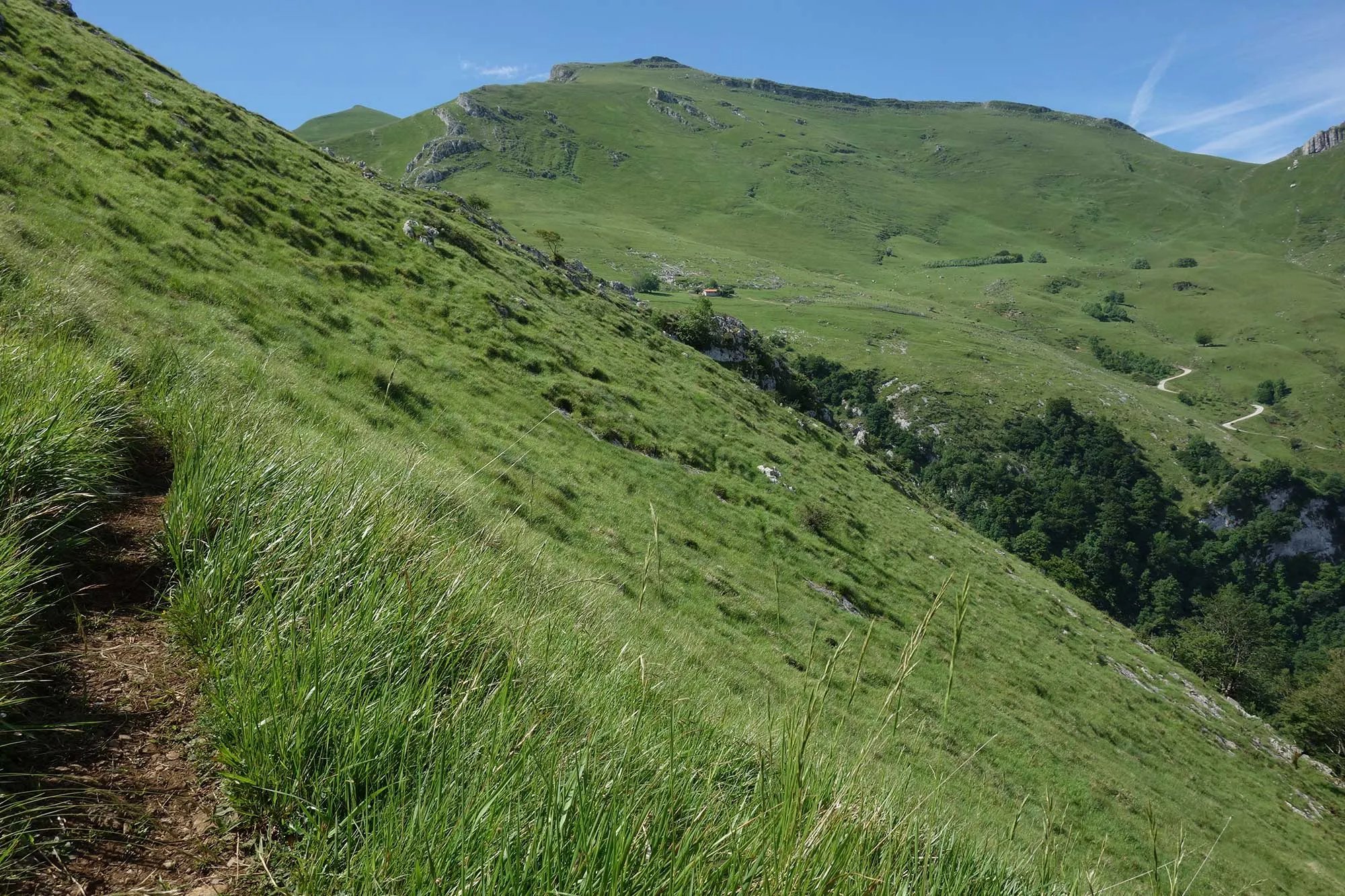
Traditional extensive livestock farming has historically shaped and maintained many of the semi-natural habitats found in northern Spain’s mountains. However, the abandonment and decline of rural activities threatens these landscapes and the ecosystem services they provide. Reduced grazing can lead to shrub and forest encroachment, invasive species, habitat degradation and increased wildfire risk. At the same time, rural areas face depopulation, ageing populations and declining economic opportunities for livestock producers.
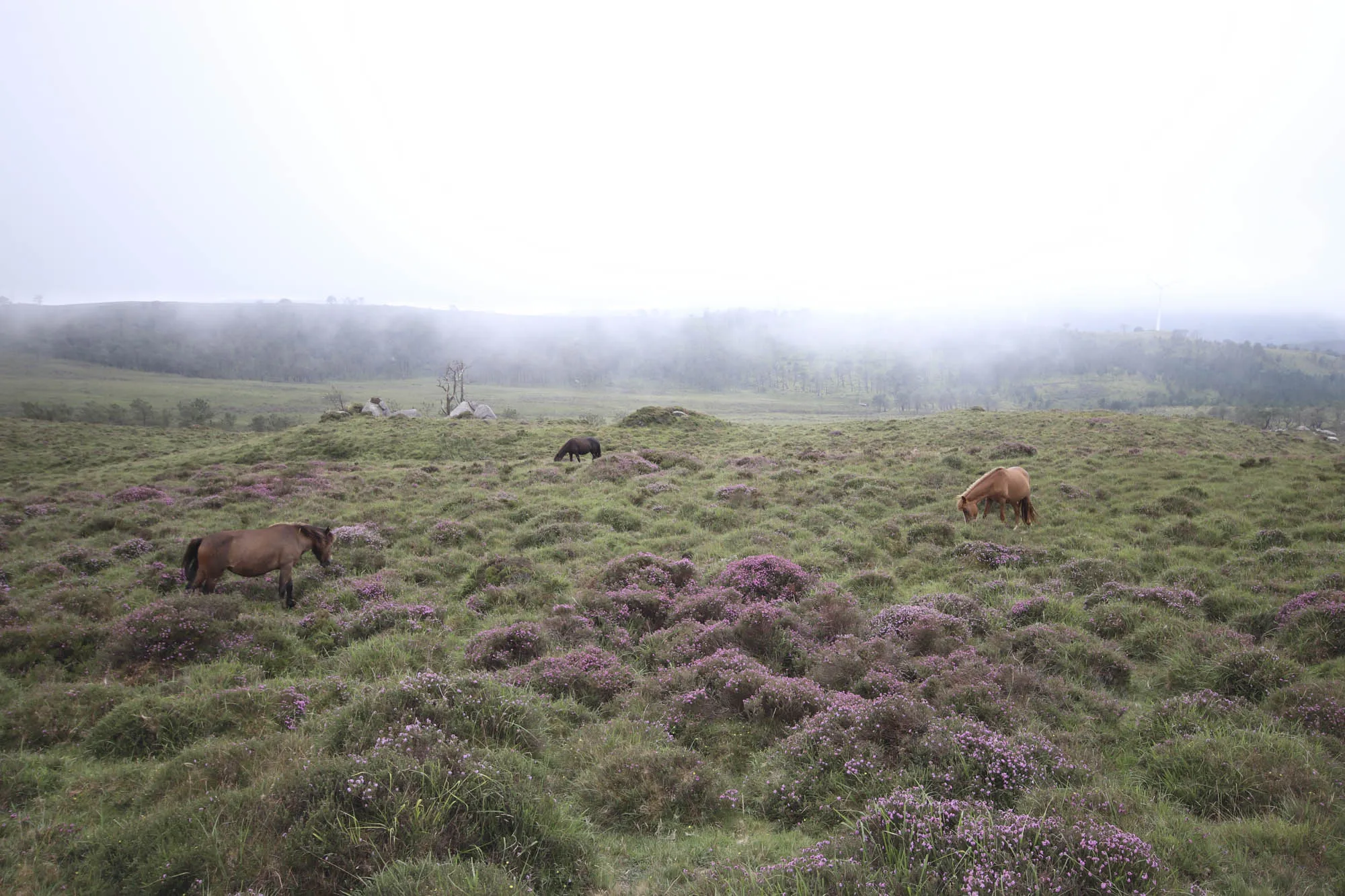
The challenge is particularly important in mountain areas because here, a number of habitats depend on continued low-intensity grazing for their maintenance. RURALtXA! focuses on nine pilot areas in Galicia and Euskadi, mainly within the Natura 2000 network, covering 34 municipalities with less than 5,000 inhabitants. These areas include mountain grasslands, heathlands, bogs and other Habitats of Community Interest associated with traditional livestock farming.
Combining habitat restoration, sustainable grazing and rural bioeconomy development
RURALtXA! implemented an integrated system combining environmental, agricultural and economic actions. First, the project identified and mapped High Nature Value farming systems and Habitats of Community Interest in the nine pilot areas and assessed their conservation status. “Habitat Management Plans linked to traditional activities” were then developed with landowners and local land managers, including communal land organisations.
On the ground, the project carried out habitat restoration and monitoring, including vegetation clearance, controlled burning, removal of trees from heathlands and bogs, and improvements to livestock infrastructure such as fencing, cattle grids and water troughs. In Euskadi, GPS collars and virtual fencing were also tested to improve livestock management. Satellite/RPAS imagery and field sampling were used to monitor ecological impacts.
The project also established a Working Network and Integrated System of Tools for the rural bioeconomy. These included training and advice for producers, product labelling and differentiation, short food-supply chains, direct-sales networks, commercialisation support, diversification and ecotourism, including creating a brand called “Saberes do monte” (Knowledge of the Mountains). Ecosystem services such as biodiversity, pollination, honey production were assessed, alongside life-cycle sustainability and carbon-footprint analyses.
Making biodiversity conservation an economic opportunity for mountain communities
RURALtXA! demonstrated how maintaining extensive livestock farming can simultaneously support habitat conservation, rural livelihoods and landscape resilience. The project strengthened knowledge of the links between grazing and biodiversity, implemented practical habitat management measures, while developing tools to improve the economic value of livestock products and complementary activities such as ecotourism.
The longer-term ambition is to make sustainable extensive farming economically viable enough to continue maintaining mountain habitats and rural populations. The project’s methods and experience are also intended to be transferable to other northern Spanish mountain areas facing similar challenges.