Ovinnova demonstrates how transhumant grazing is good for business
The decline of transhumance – and more broadly of sheep and goat farming – is a common problem in the European Union. Ovinnova addresses these issues in rural Spain, particularly in mountain and pasture areas. The project develops an innovative business and management model using digital tools, logistics coordination and training to improve competitiveness, support biodiversity, and secure the future of extensive pastoralism, especially by bringing the youth closer to this tradition.
Transhumance: a downfall with severe consequences
The Grupo Operativo Ovinnova proved necessary because traditional transhumant pastoralism in Spain has been declining, risking cultural heritage, rural livelihoods and ecosystem services. Degrading biodiversity in high mountains and in many Natura 2000 areas, due to the lack of fertilization, along with the parallel overgrazing in the lowlands, further damaged the pastures’ status.
Transhumance has suffered from low competitiveness and abandonment due to economic pressures and a lack of a viable business model. Despite the remarkable provision of goods and services to society (from supply to regulation, from wildfire risk management to encouraging natural tourism), it does not receive the recognition or remuneration it deserves. The high intensity and low profitability of this practice are a challenge for the next generation of farmers, further exacerbated by the trends of steady depopulation and declining prestige of the shepherding profession.
A 360° approach to revive the practice
Activities covered different areas in Andalucía, Castilla y León and Extremadura, including:
- The establishment of a management centre, with coordination support and a vehicle to assist shepherds in the field, along with a transhumance management platform with pasture information, technical specifications, sanitary conditions and support marketing tools.
- Improvement of administrative and field logistics procedures (food supply, mobile and internet coverage) to assist shepherds and flocks.
- Identifying interested shepherds, defining movement protocols from southern dehesas to northern summer pastures, programming logistics, evaluating costs, and exploring certification of pastures and transhumant products.
- The assessment, through field studies, of quality indicators (biodiversity presence, soil functional quality) in grazed vs ungrazed areas.
- The use of IoT and satellite GPS collars to collect grazing pattern data, feeding the modelling of optimal grazing strategies, herd management schemes and early warning systems for threats.
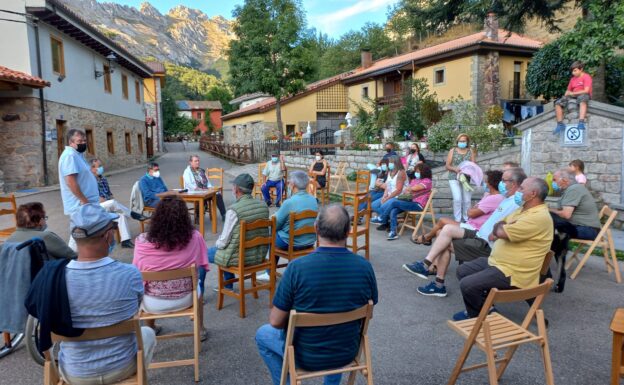
- Training new shepherds, with exchange visits with the Professional School for Shepherds in Triesdorf, Germany. An International Meeting of Transhumant Shepherds and Ranchers was hosted to share experiences, and a training plan and pastoral manual were developed, including proposals for a supportive labour framework for shepherd employment.
Stakeholders included ranchers and shepherds, young trainees, multiple foundations and research institutions, certification bodies, and industry partners. The activities also engaged public authorities and landowners in both mountainous and lowland territories.
Steps forward between employment and training
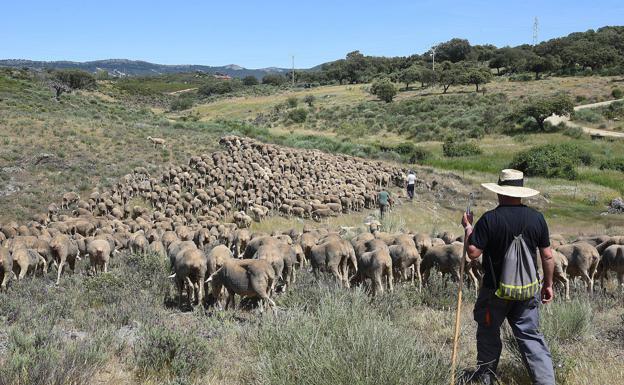
Ovinnova strengthened mountain communities by making transhumant grazing more viable and attractive, creating 15 shepherd jobs (including women) and training 12 people, half of whom became shepherds, thus tackling labour shortages. It has improved livestock mobility (mobilising 7.200 sheep from the dehesas to mountain pastures), supported habitat conservation and built tools like the eTRASHUMA platform to organise routes and pastures. These actions help preserve biodiversity, support local economies and are expected to sustain long‑term pastoral traditions and ecological benefits in mountain areas.